When your washer starts acting up, understanding the difference between front load vs top load washer repair can save you time, money, and frustration. Each type of washing machine comes with its own mechanical design, common failure points, and repair costs. Whether you’re dealing with leaks, strange noises, or cycles that won’t complete, knowing what to expect helps you decide when to troubleshoot and when to call a professional.
Front Load vs Top Load Washer Repair: Key Differences
Front-load and top-load washers operate differently, which directly impacts how they fail and how they are repaired. Front-load washers rely on a horizontal drum and door seal, while top-load units use a vertical drum with an agitator or impeller.
Front Load Washer Design and Repair Complexity
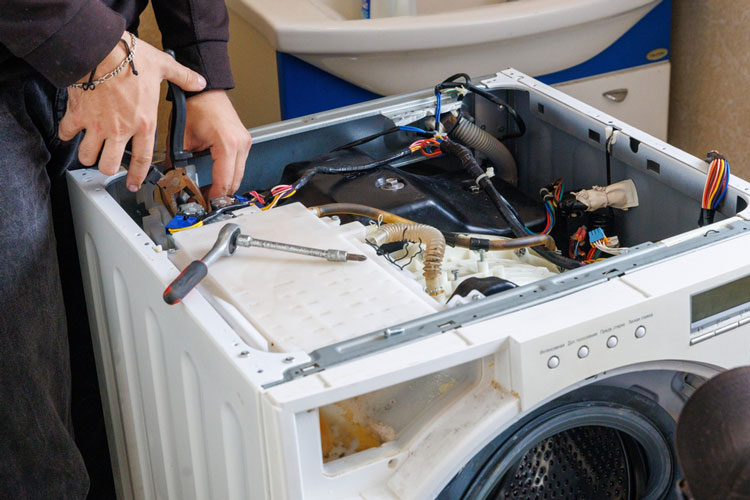
Front-load washers are known for efficiency and advanced features, but their design introduces more complexity. Repairs often involve sensors, control boards, and sealed components.
Common front-load washer issues include:
- Door seal (gasket) leaks and mold buildup
- Drain pump failures or clogging
- Electronic control board malfunctions
- Excessive vibration due to suspension wear
These issues often require partial disassembly of the unit, making front load vs top load washer repair more labor-intensive on front-load models.
Top Load Washer Design and Repair Simplicity
Top-load washers are generally easier to access and repair. Their mechanical systems tend to be simpler, especially in traditional agitator models.
Typical top-load washer problems include:
- Agitator not spinning or moving properly
- Worn belts or drive components
- Water filling or draining inconsistencies
- Lid switch failure preventing operation
Because components are easier to reach, repairs are often quicker and less expensive compared to front-load units.
Common Problems and What They Mean
Understanding the symptoms of your washer helps pinpoint whether the issue is minor or requires professional intervention.
Water Leaks
Leaks are far more common in front-load washers due to the door gasket. A worn or dirty seal can allow water to escape during cycles. In top-load washers, leaks usually come from hoses or internal tub seals.
If you notice water pooling, it’s best to inspect hoses first or visit Magic City Appliance Repair for expert diagnostics.
Washer Not Spinning
A washer that won’t spin is a common issue across both types. In front-load washers, this may indicate a faulty motor control board. In top-load machines, it’s often a worn belt or clutch assembly.
Loud Noises During Operation
Grinding, banging, or squealing noises signal mechanical wear. Front-load washers may have failing drum bearings, while top-load washers may suffer from worn drive components.
For more troubleshooting insights, check related appliance repair posts for deeper guidance.
Repair Costs: Front Load vs Top Load Washer Repair
Cost is one of the biggest deciding factors when comparing front load vs top load washer repair.
Average Repair Cost Breakdown
Front-load washer repairs tend to be more expensive due to advanced electronics and labor complexity. Common repair costs include:
– Control board replacement: higher-end repair
– Door gasket replacement: moderate cost
– Bearing repair: often expensive due to labor
Top-load washer repairs are typically more affordable:
– Belt replacement: low to moderate cost
– Lid switch repair: inexpensive
– Agitator repair: moderate
In general, front-load repairs can run significantly higher than top-load repairs depending on the issue.
When to Call a Technician
Not every issue requires professional help, but certain signs indicate it’s time to bring in an expert.
Call a Professional If You Notice:
– Persistent leaks that don’t stop after tightening hoses
– Electrical issues or error codes
– Loud mechanical noises during spin cycles
– Washer not completing cycles or shutting off unexpectedly
Attempting complex repairs without experience can lead to further damage. If your washer shows these signs, it’s best to contact a professional through washer repair service for accurate diagnosis.
Maintenance Tips to Prevent Repairs
Preventative maintenance plays a major role in extending the life of your washer and minimizing repair costs.
Best Practices for Washer Care
Regular cleaning and proper usage can significantly reduce the need for front load vs top load washer repair.
– Clean the door gasket on front-load washers to prevent mold
– Avoid overloading the drum in both washer types
– Use the correct detergent type and amount
– Inspect hoses periodically for wear or leaks
Routine maintenance ensures your washer performs efficiently and reduces unexpected breakdowns.
Choosing Between Repair and Replacement
Sometimes, repair costs approach the price of a new unit. A good rule of thumb is the 50% rule—if the repair costs more than half the price of a new washer, replacement may be the better option.
However, newer washers with minor issues are often worth repairing, especially when serviced by professionals who understand both front-load and top-load systems.
Expert Washer Repair from Magic City Appliance Repair
When it comes to reliable and efficient front load vs top load washer repair, Magic City Appliance Repair delivers expert solutions tailored to your appliance. Their experienced technicians diagnose issues quickly, provide transparent pricing, and complete repairs using high-quality parts.
Whether your front-load washer is leaking or your top-load unit isn’t spinning, Magic City Appliance Repair ensures your appliance is restored to peak performance. Their commitment to quality service and fast response times makes them a trusted choice for homeowners dealing with washer issues.
Frequently Asked Questions
What type of washer is more expensive to repair?
Front-load washers are generally more expensive to repair due to complex electronics and labor-intensive disassembly compared to top-load models.
Is it worth repairing an old washing machine?
If the repair cost is less than half the price of a new unit and the washer is under 10 years old, repair is usually a good option.
Why does my front-load washer smell bad?
Odors are often caused by mold buildup in the door gasket due to moisture retention. Regular cleaning helps prevent this issue.
What causes a washer to stop mid-cycle?
This can be due to electrical faults, a malfunctioning control board, or a safety switch failure depending on the washer type.