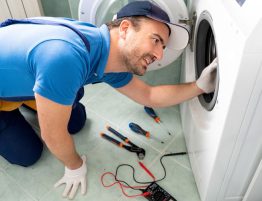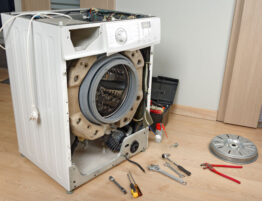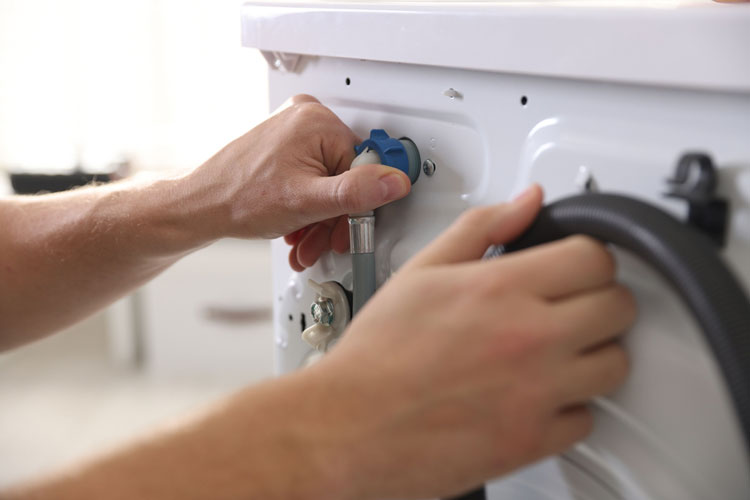
Modern households rely heavily on washing machines to keep daily life running smoothly. When a washer begins to malfunction, it can quickly disrupt routines, create water damage risks, and lead to expensive replacements if ignored. Recognizing early warning signs is the key to avoiding major failures. If you notice unusual behavior, seeking Washer Repair promptly can save money, extend appliance lifespan, and prevent inconvenient breakdowns.
Below are the five most common indicators that your washer needs professional attention—and what you can do to minimize costly repairs.
1. Excessive noise or violent shaking
Washing machines normally produce some vibration, especially during the spin cycle. However, loud banging, grinding, or aggressive shaking is not normal and should never be ignored. These symptoms often point to worn suspension components, unbalanced drums, or failing internal hardware.
Persistent vibration can damage flooring, loosen internal parts, and even cause the machine to “walk” across the room. Over time, this stress can lead to major mechanical failures that require extensive repairs.
If your washer suddenly becomes much louder than usual, scheduling Washer Repair early can prevent cascading damage to other components.
2. Water leaks around or beneath the machine
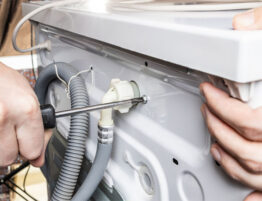
Water pooling around your washer is a serious issue. Even a small leak can damage flooring, promote mold growth, and affect nearby cabinetry or walls. Leaks typically originate from worn hoses, faulty door seals, loose connections, or failing internal pumps.
Common leak sources include:
- Cracked or deteriorated supply hoses
- Damaged door gaskets on front-load machines
- Loose drain connections
Ignoring leaks rarely makes them disappear. Instead, the problem usually worsens until significant water damage occurs. Prompt Washer Repair protects both your appliance and your home.
3. Failure to drain or spin properly
If clothes come out soaking wet, the washer is not completing its spin or drainage cycle correctly. This issue may stem from clogged filters, malfunctioning pumps, sensor problems, or drive system failures.
A washer that cannot drain efficiently forces the motor to work harder, increasing wear and energy consumption. Over time, this strain can shorten the machine’s lifespan significantly.
Addressing drainage issues early prevents secondary problems such as motor burnout or electrical damage, which are far more expensive to repair.
4. Unpleasant odors that persist after cleaning
A musty or sour smell coming from your washer often indicates trapped moisture, residue buildup, or bacterial growth inside the drum or internal components. While routine cleaning can help, persistent odors may signal deeper issues such as blocked drainage pathways or failing seals.
Odors are not just unpleasant—they can transfer to clothing and signal conditions that promote mold growth. Professional Washer Repair can identify hidden moisture problems and restore proper function before health concerns arise.
5. Error codes or inconsistent operation
Modern washing machines rely on electronic control systems to manage cycles, water levels, and safety features. When sensors or internal electronics malfunction, the machine may display error codes, stop mid-cycle, or behave unpredictably.
These issues often worsen over time, especially if underlying electrical components continue to deteriorate. Ignoring error messages can eventually lead to a complete shutdown of the appliance.
Timely Washer Repair ensures accurate diagnosis and prevents minor electronic faults from escalating into major system failures.
How to prevent costly washing machine breakdowns
Preventative care can significantly reduce the likelihood of sudden failures. Many breakdowns occur because small issues go unnoticed until they become severe.
Simple maintenance practices include:
- Avoid overloading the drum, which strains motors and suspension systems
- Inspect hoses periodically for cracks or wear
- Keep the machine level to reduce vibration stress
Routine inspections and early repairs cost far less than replacing a major appliance or repairing water damage caused by leaks.
When to call a professional
While basic maintenance can be handled at home, internal mechanical and electrical problems require trained technicians. Attempting complex repairs without proper tools or knowledge can lead to injury or further damage.
Professional Washer Repair technicians can quickly diagnose issues, source appropriate parts, and restore safe operation. This not only saves time but also ensures the repair is done correctly the first time.
Why timely repair is more cost-effective than replacement
Many homeowners assume replacing a malfunctioning washer is easier than repairing it. However, most problems are fixable at a fraction of the cost of a new unit. Repairing early-stage issues preserves the appliance’s remaining lifespan and delays the need for major purchases.
Additionally, modern washers are complex systems. Replacing them often involves delivery fees, installation costs, and disposal of the old unit, further increasing expenses.
Expert Washer Repair from Magic City Appliance Repair
When warning signs appear, partnering with an experienced service provider makes all the difference. Magic City Appliance Repair specializes in fast, reliable Washer Repair services designed to restore performance and prevent further damage. Their technicians diagnose problems accurately, use quality replacement parts, and work efficiently to minimize downtime.
By addressing issues early, Magic City Appliance Repair helps homeowners avoid costly breakdowns and extend the life of their washing machines. Whether dealing with leaks, noise, drainage problems, or electronic faults, their expertise ensures your appliance returns to dependable operation. Call 786-655-2507
Frequently Asked Questions
How long should a washing machine typically last?
Most washing machines last between 8 and 12 years with proper maintenance, though usage frequency and care play a major role.
Is it safe to use a washer that is making loud noises?
Continued use can worsen internal damage and may pose safety risks. It’s best to stop using the machine and schedule a professional inspection.
Can small leaks turn into major problems?
Yes, even minor leaks can lead to significant water damage, mold growth, and costly repairs if left untreated.
How quickly should washer problems be addressed?
As soon as symptoms appear. Early repair prevents additional damage and usually costs far less than waiting for a complete failure.