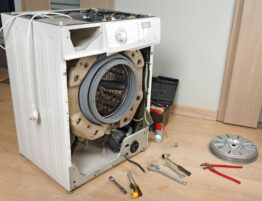
A washer that finishes its cycle with water still in the drum can bring laundry day to a sudden stop. Fortunately, a washer not draining does not always mean the appliance has suffered a major failure. The problem may be a kinked hose, an unbalanced load, excess detergent, or a clogged pump filter. Before scheduling a repair, there are several safe checks you can perform to narrow down the cause. Always unplug the washer before inspecting components, and avoid dismantling electrical or sealed parts.
Why Is Your Washer Not Draining?
A washing machine removes water by sending it through a drain pump, hose, and household drain connection. If any part of that path is obstructed or the washer cannot begin the drain cycle, water may remain inside. The symptoms can provide useful clues. A humming sound may indicate that the pump is trying to work against a blockage, while silence during the drain cycle could point to a control, lid switch, or pump problem.
Before investigating, select the washer’s drain or spin setting once. A temporary cycle interruption may be the only issue. If the washer still does not drain, stop the cycle and disconnect its power.
Common Causes of a Washer Drainage Problem
A Kinked or Blocked Drain Hose
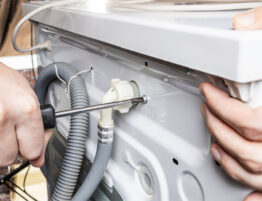
The drain hose carries wastewater from the machine to the home’s drainpipe. If the washer was recently moved, the hose may have become pinched behind it. A sharp bend can restrict water flow even when the hose is not completely closed.
Carefully move the washer only if you can do so without straining yourself or damaging the flooring. Check the visible hose for bends, crushing, or twists. Also confirm that it has not been pushed too deeply into the standpipe, which may interfere with proper drainage. Do not remove a hose while the drum is full unless you are prepared to contain the released water.
A Clogged Pump Filter
Many front-load washers and some top-load models have a drain pump filter designed to catch lint, coins, buttons, and other debris. As the filter fills, drainage may become slow or stop altogether. The washer may also display a drain-related error code.
Consult the appliance manual before opening the filter compartment. Water can pour out quickly, so place towels and a shallow container beneath the access area. If the filter is intended for homeowner cleaning, remove visible debris and reinstall it securely. If access requires removing a cabinet panel, leave the work to a professional who handles washer repair.
An Unbalanced or Oversized Load
A washer may pause before draining or spinning when clothing gathers on one side of the drum. Blankets, bath mats, and other heavy items are common causes. An overloaded washer can create a similar problem because the drum cannot move as intended.
Pause the machine, wait for the lock to release, and redistribute the laundry evenly. Remove a few items if the drum is packed tightly. After closing the door or lid, try the drain and spin cycle again. Regularly using manageable loads can also reduce stress on the washer’s suspension and drive components.
Excess Detergent or Too Many Suds
Using more detergent than the manufacturer recommends can produce excessive suds, particularly in a high-efficiency washer. The appliance may have difficulty sensing the water level or completing its drain and spin stages. Use detergent labeled for the washer type and measure it according to the product instructions, load size, and soil level.
If oversudsing happens, avoid adding more detergent or repeatedly restarting a full wash cycle. Allow the suds to settle, then use a rinse and spin option if the manual recommends it.
A Faulty Pump, Switch, or Control
If the drainage path is clear, the failure may involve the drain pump, lid switch, door lock, wiring, water-level system, or electronic control. For example, some top-load washers will not advance when the lid switch fails. Front-load models may stop if the door does not lock correctly.
These problems require testing around electrical and moving components. Do not bypass a safety switch or probe wiring while the washer is connected to power. Professional washer and dryer repair is the safer next step when basic checks do not restore normal drainage.
Safe DIY Checks to Try First
Use a careful, step-by-step approach rather than repeatedly running the machine with standing water:
- Cancel the cycle and select drain or spin once.
- Unplug the washer before touching the hose, filter, or drum area.
- Check the drain hose for visible kinks or compression.
- Redistribute an unbalanced load and remove excess items.
- Look for excessive suds caused by too much or incorrect detergent.
- Clean an owner-accessible pump filter according to the appliance manual.
- Check whether the household sink or standpipe is also draining slowly.
If you need to remove standing water, follow the emergency-drain instructions in the washer manual. Use a low container and work gradually because a full drum can hold a significant amount of water. Keep water away from the outlet, power cord, and controls.
When to Stop Troubleshooting
Stop using the washer if you notice leaking near electrical components, a burning smell, repeated breaker trips, grinding noises, or water returning to the drum. You should also arrange service when the pump hums without moving water, the washer repeatedly displays an error, or filter and hose checks do not help.
Continuing to operate a washer with a blocked or failing drain system can lead to leaks and place additional strain on other components. If another laundry appliance also needs attention, review professional dryer repair options rather than attempting internal electrical repairs yourself.
Get Help With a Washer That Will Not Drain
Basic checks can resolve a simple load, detergent, hose, or filter issue. When the cause is hidden inside the machine, accurate diagnosis is important. Magic City Appliance Repair provides washer repair along with service for dryers, refrigerators, dishwashers, and ovens or stoves. Visit Magic City Appliance Repair to request professional help when your washer is not draining or the problem keeps returning.
Frequently Asked Questions
Why is my washer full of water but not draining?
Common causes include a kinked drain hose, clogged pump filter, unbalanced load, excess suds, blocked household drain, or failed drain pump. Start with the hose, load, detergent, and any owner-accessible filter. Disconnect power before inspecting the appliance.
How can I force a washing machine to drain safely?
Cancel the current cycle and select the drain or spin setting once. If that does not work, unplug the washer and follow the emergency-drain procedure in its manual. Use towels and a shallow container, and keep water away from the outlet and controls.
How can I tell if the washer drain pump is clogged?
Possible signs include slow drainage, standing water, a humming sound during the drain cycle, or a drain-related error code. If the washer has an owner-accessible pump filter, inspect and clean it according to the manual. Do not remove cabinet panels to reach the pump.
When should I call for washer repair instead of trying another DIY fix?
Call for service if basic hose, load, detergent, and filter checks do not work. Professional help is also appropriate for leaks near electrical parts, burning odors, breaker trips, grinding sounds, recurring error codes, or a pump that hums without draining.